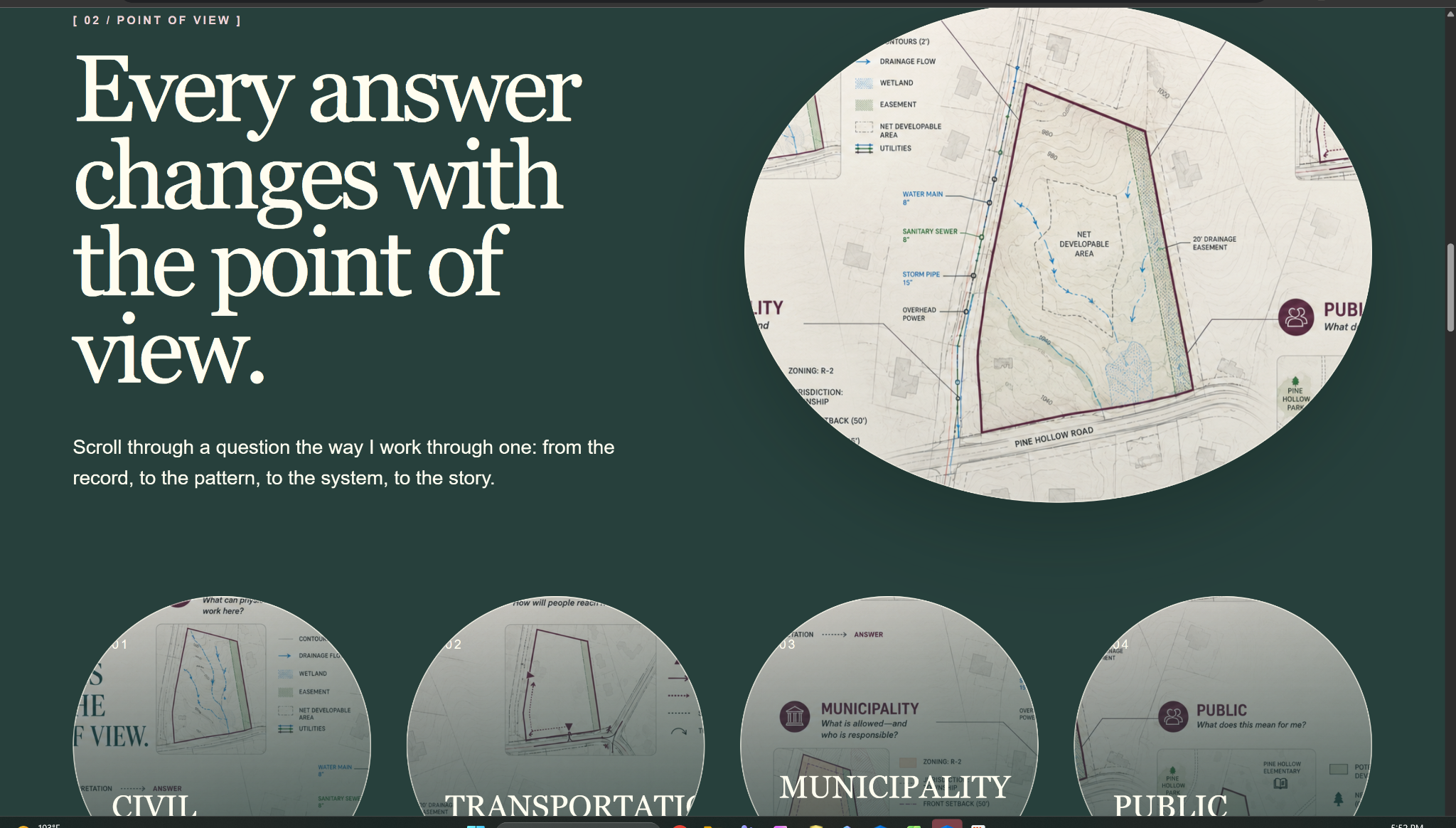
Narrative architecture
Structured the site as a progression from point of view, to professional growth, to evidence.
CASE STUDY 01 · CREATIVE TECHNOLOGY
React · TypeScript · CSS · SVG · Interaction design · AI-assisted development
THE PROBLEM
A GIS portfolio can become a gallery of finished maps without showing how the person approaches ambiguity, relationships, systems, or communication. The goal was to make the experience itself demonstrate spatial thinking before a visitor opened a single project.
THE DESIGN PRINCIPLE
The site is part
of the evidence.
Information is layered. Perspective changes meaning. Movement communicates relationships. Each interaction is expected to carry the story—not merely decorate it.
FROM ITERATION TO SYSTEM
The career section began as a decorative transition. Each iteration asked for more evidence, more personal truth, and a stronger relationship between motion and meaning.
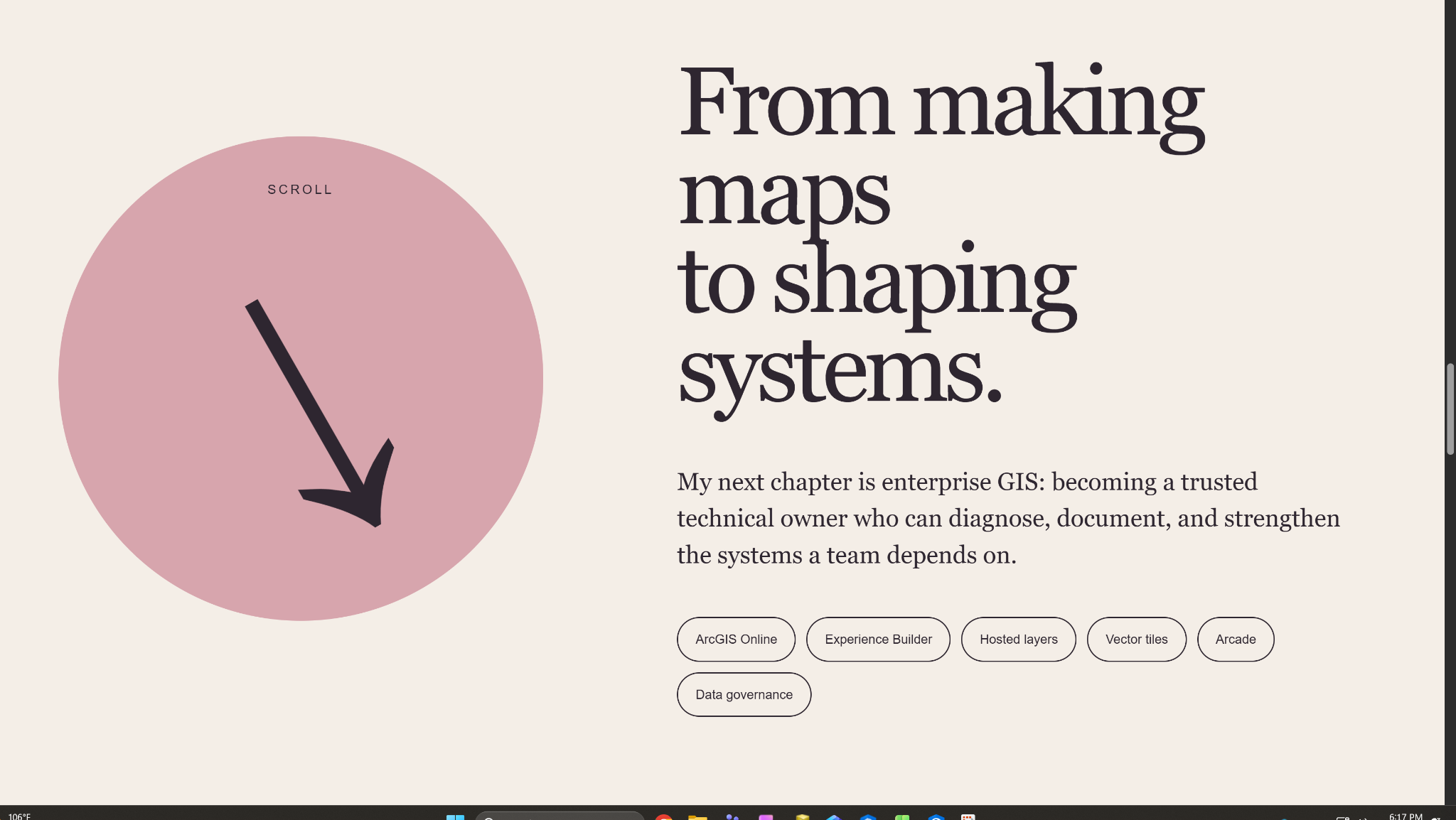
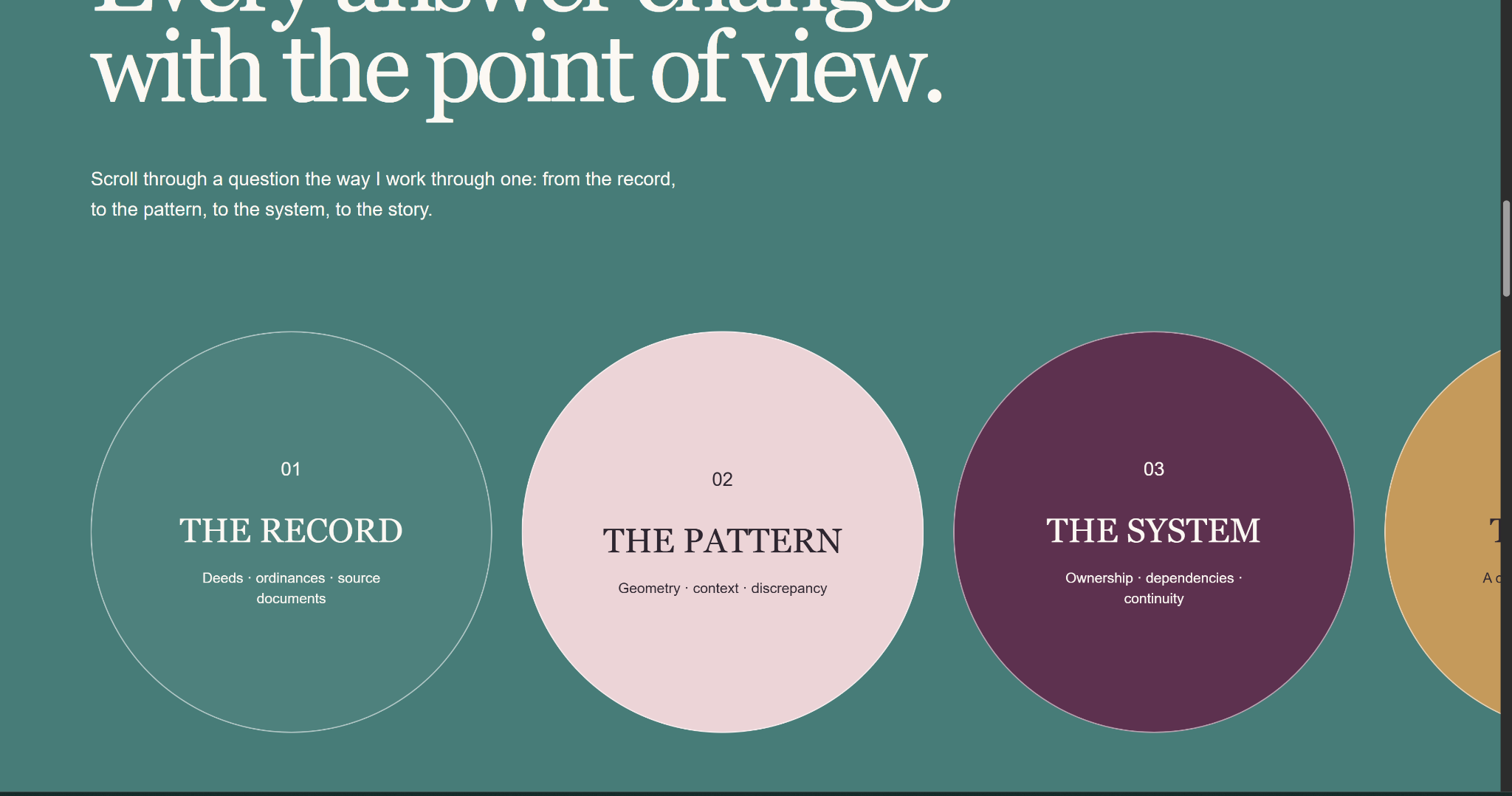
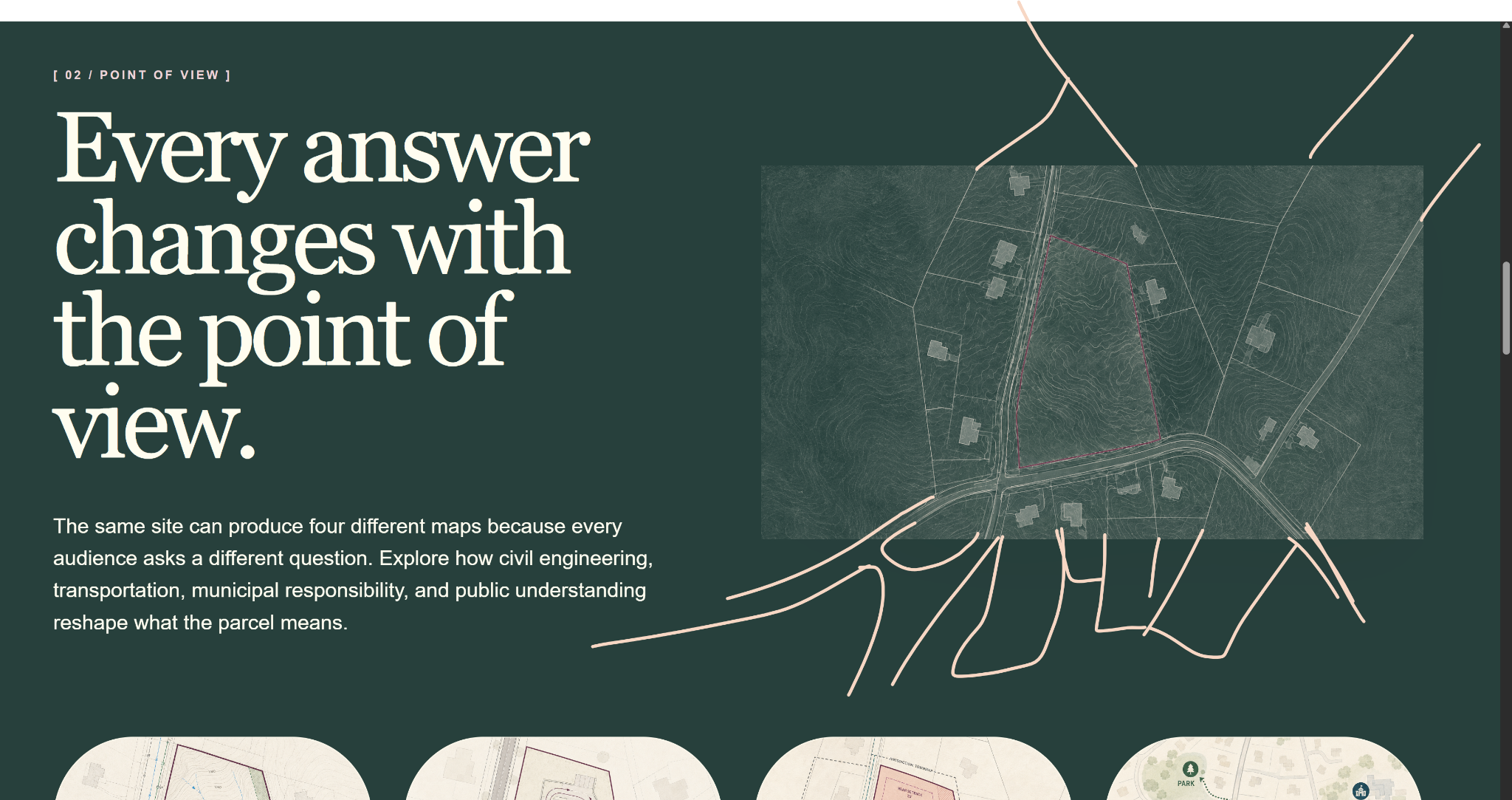
A memorable arrow, but too much space devoted to aspiration and too little to evidence.
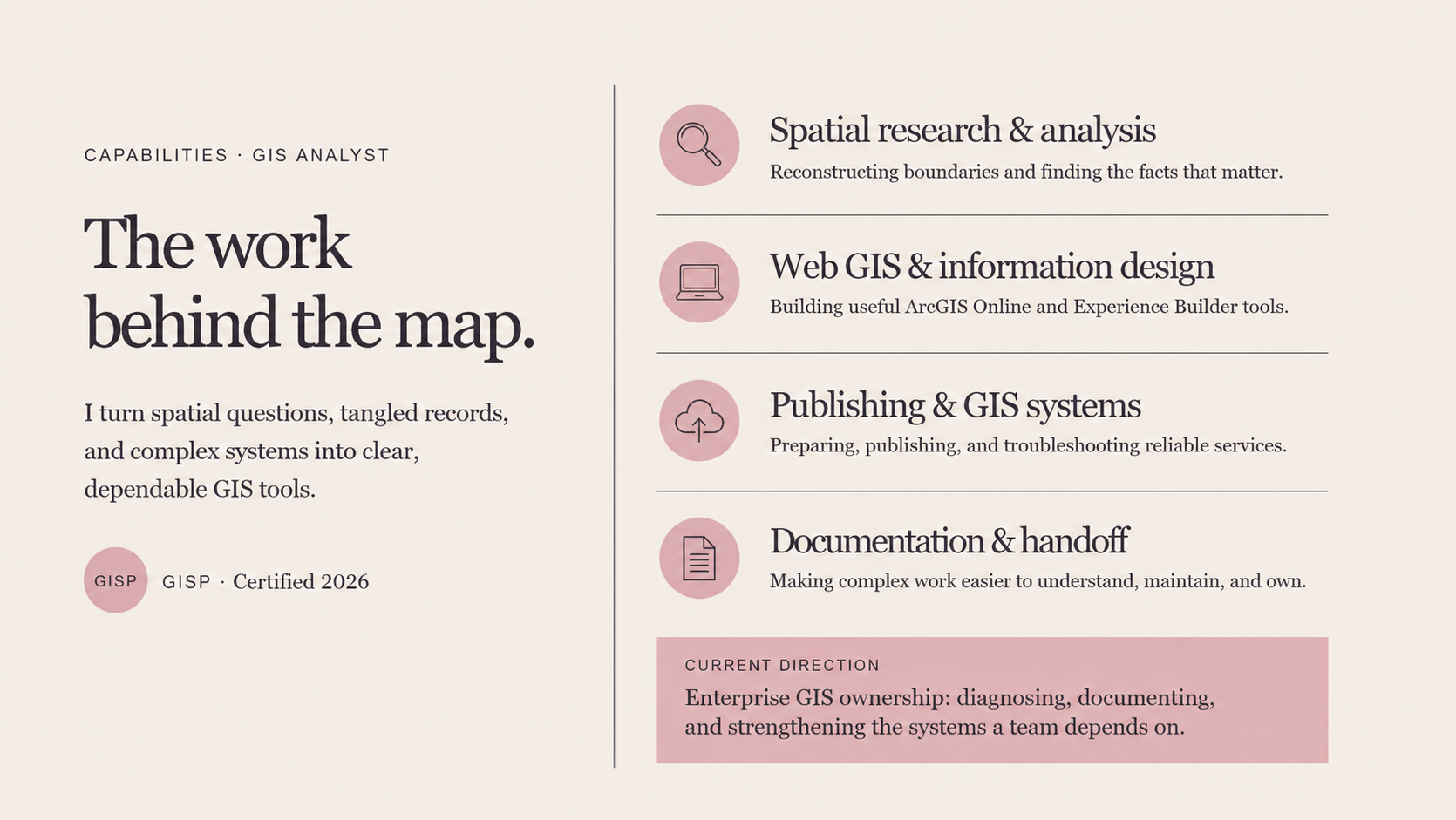
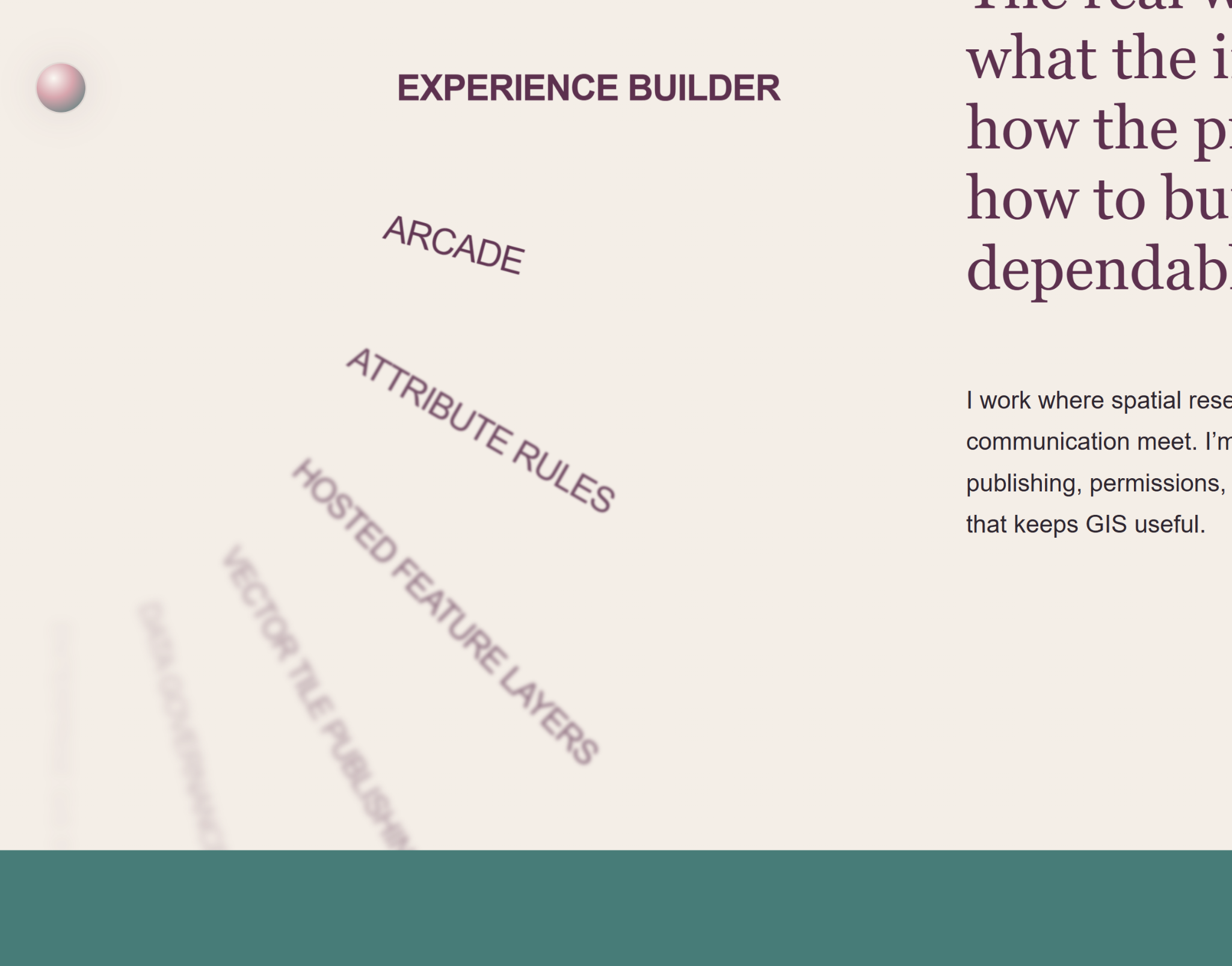
The section gained substance, but the progression still felt static and impersonal.
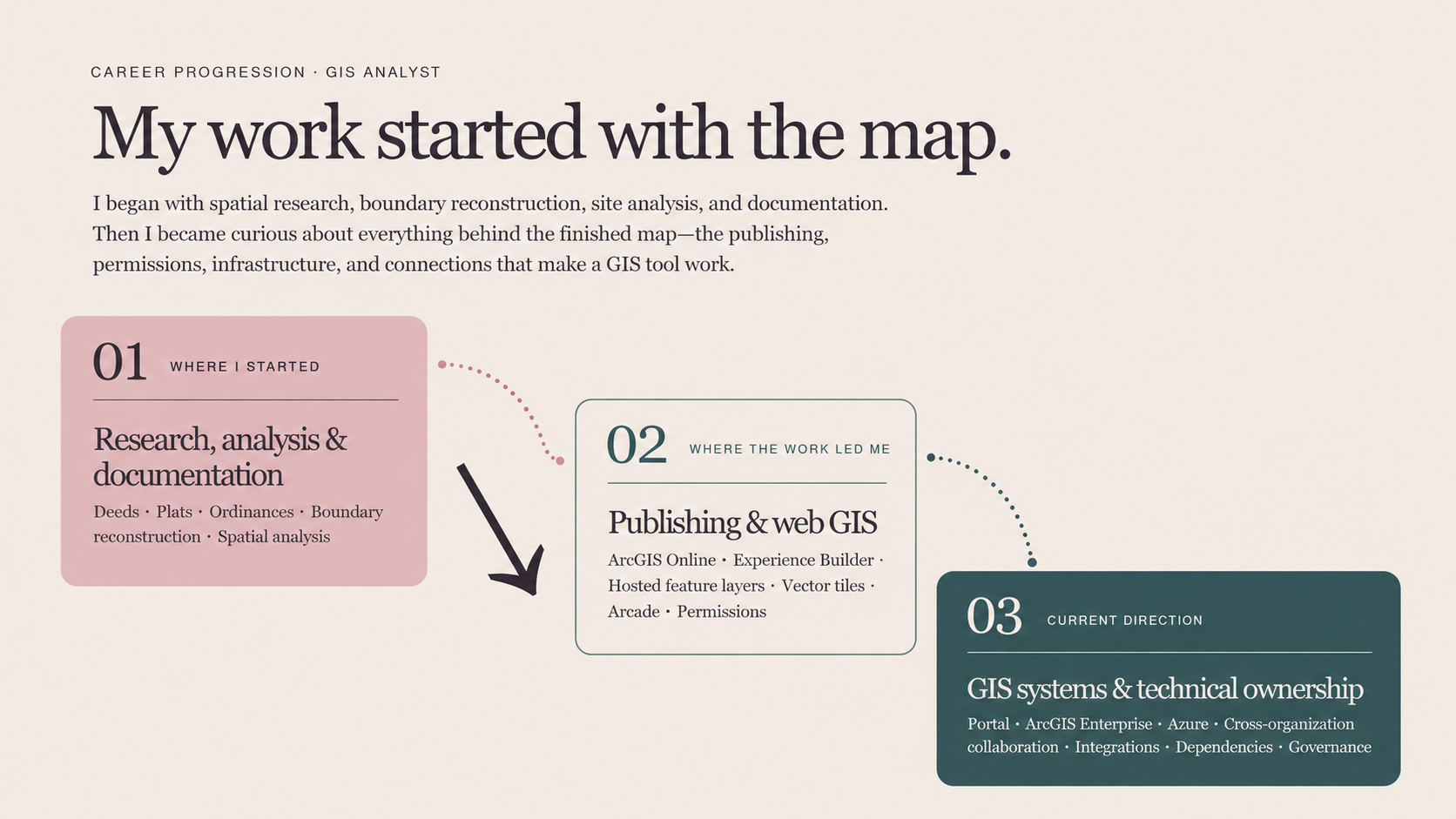
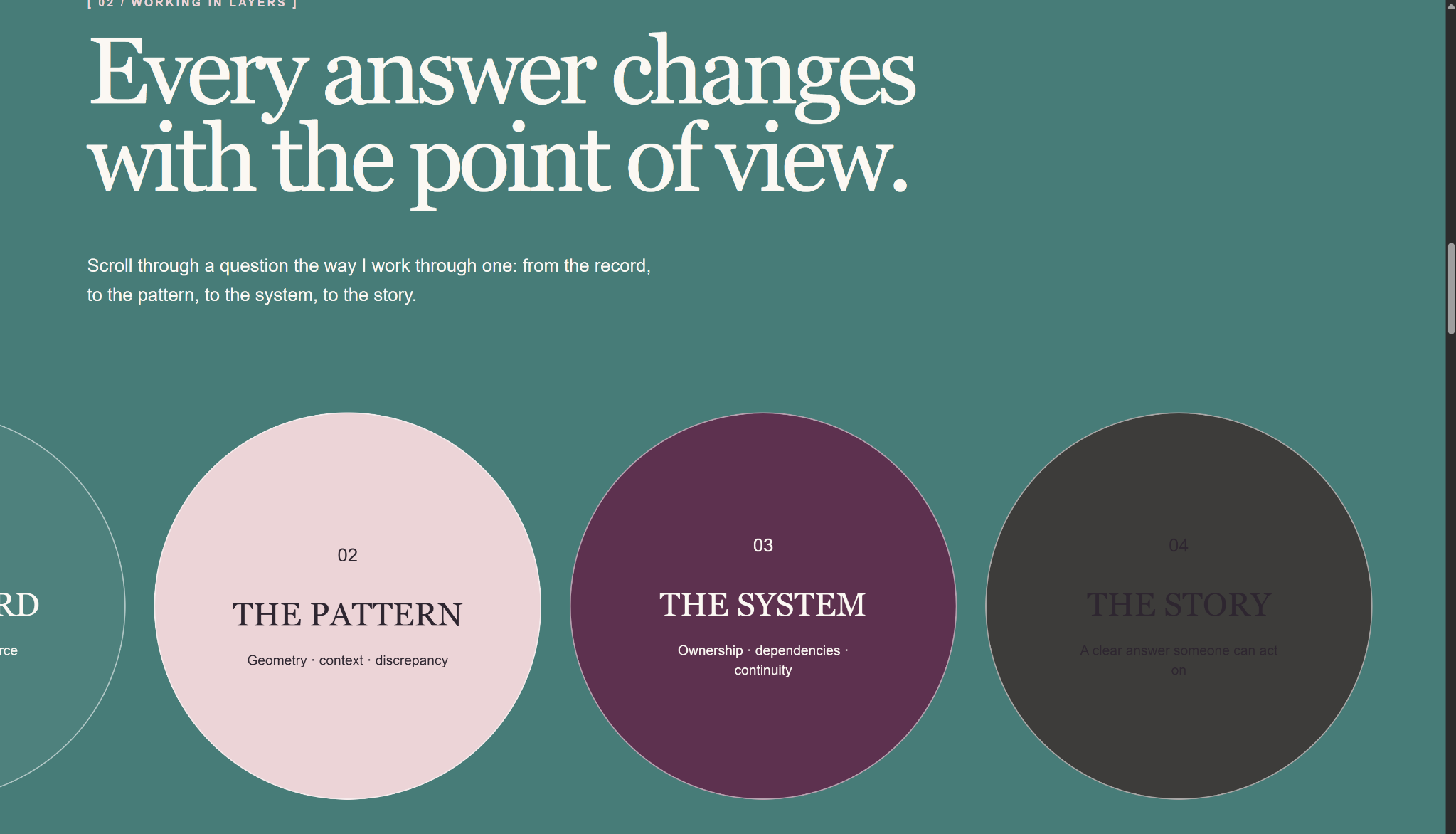
A visual career narrative connected scientific foundations to technical ownership.
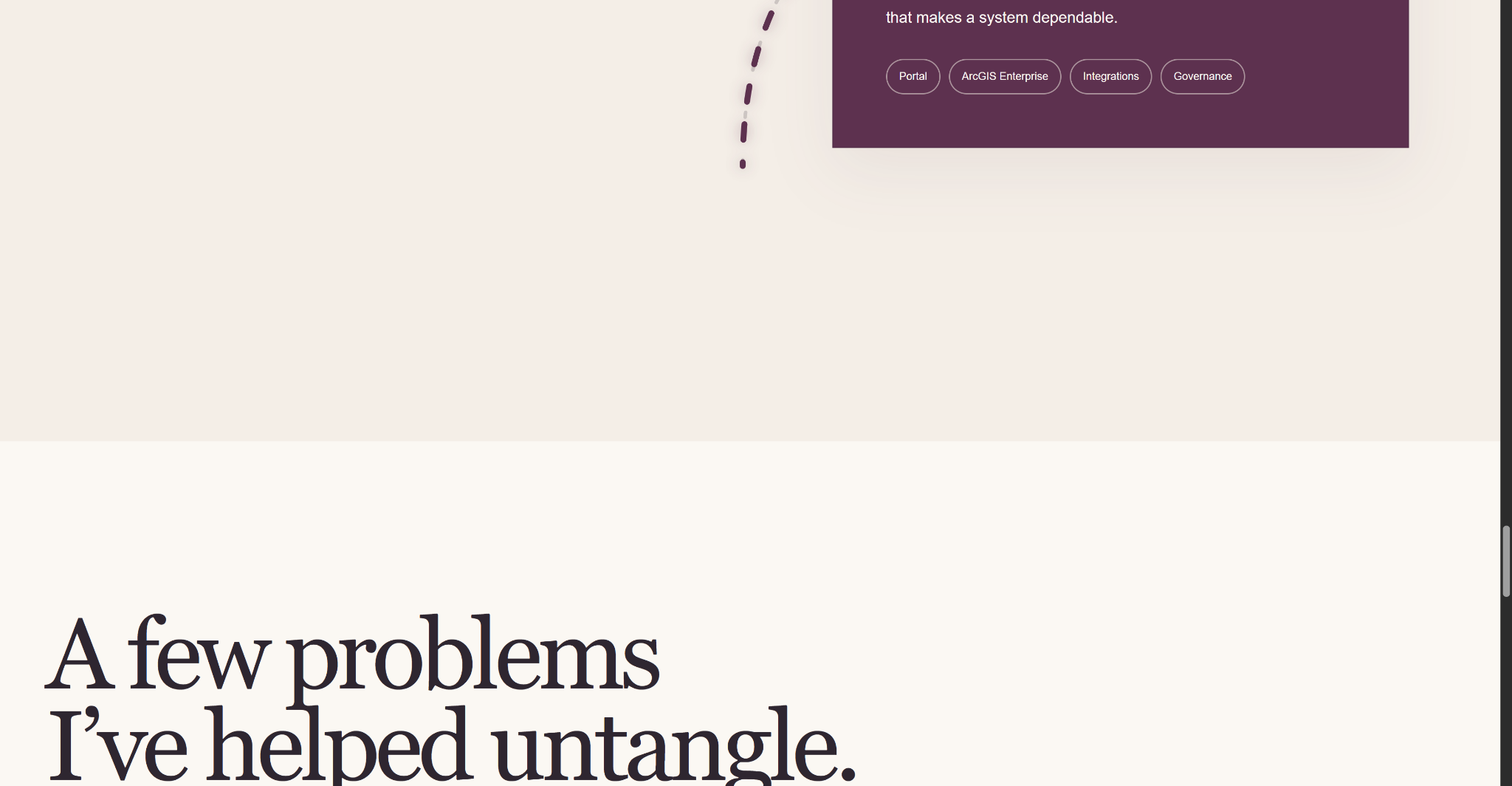
The animated route now carries the story and hands the visitor into the work itself.
MY ROLE
Structured the site as a progression from point of view, to professional growth, to evidence.
Directed the typography, palette, spatial motifs, image language, pacing, and responsive balance.
Defined how the spotlight, rotating skills, perspective cards, career route, and section handoffs should behave.
Built and refined the React, TypeScript, CSS, and SVG implementation through an AI-assisted workflow.
Identified broken interactions, traced behavioral conflicts, evaluated code changes, and refined the experience through repeated testing.
Developed the copy and Work Library architecture to balance memorability with credible technical evidence.
PROBLEMS WORTH DEBUGGING
Not every experiment was a failure. Some were necessary detours that made the final direction easier to recognize.
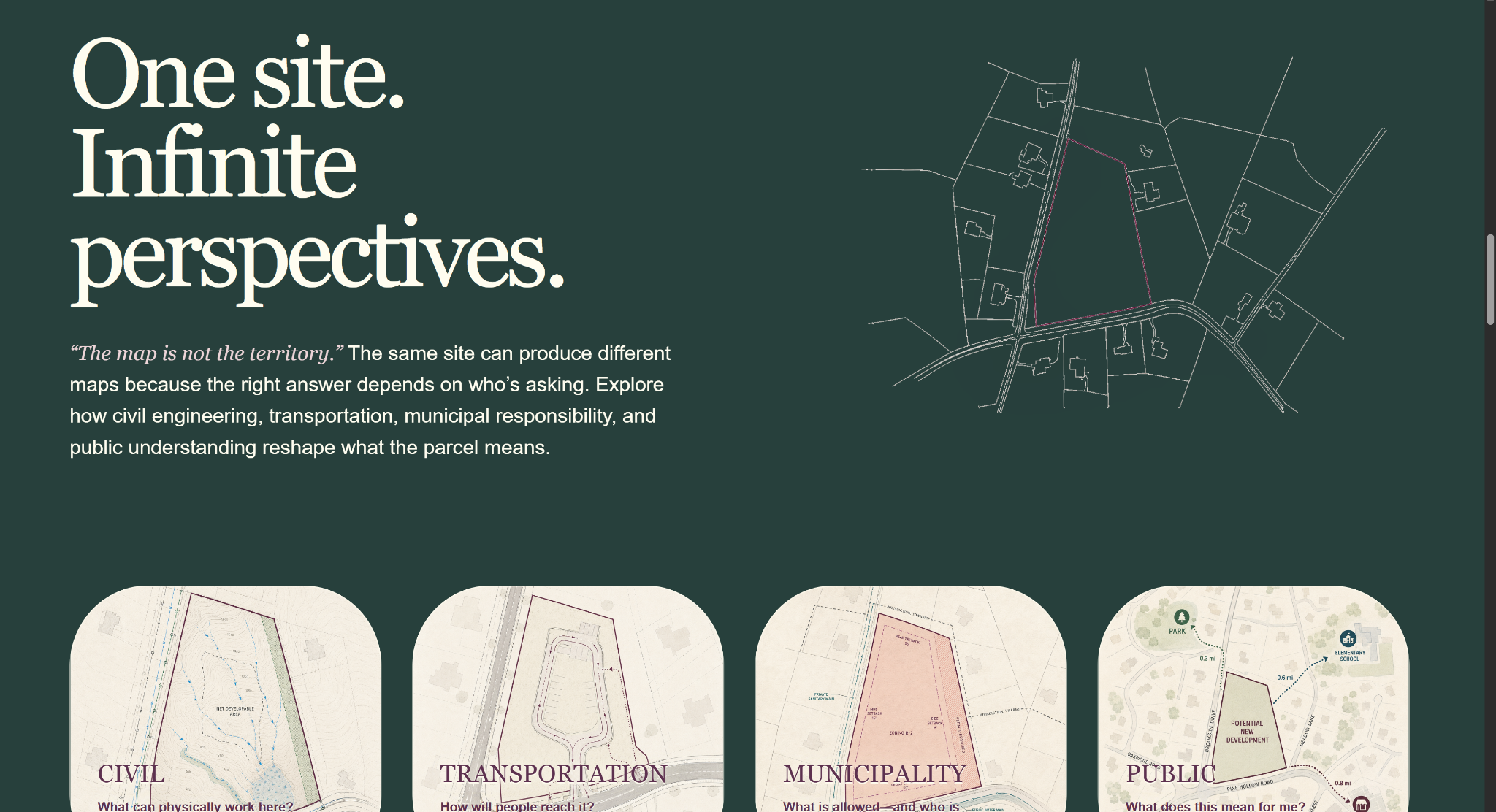
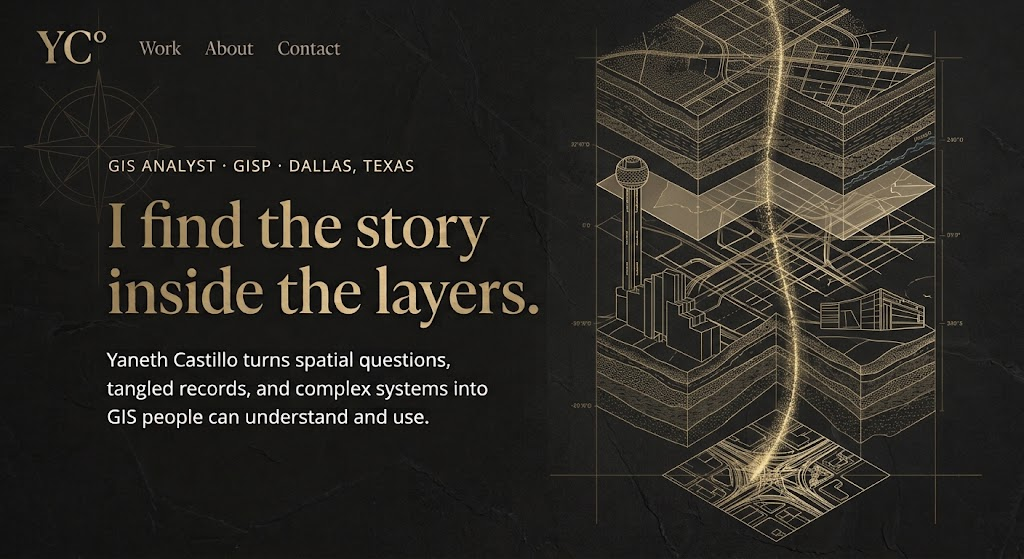
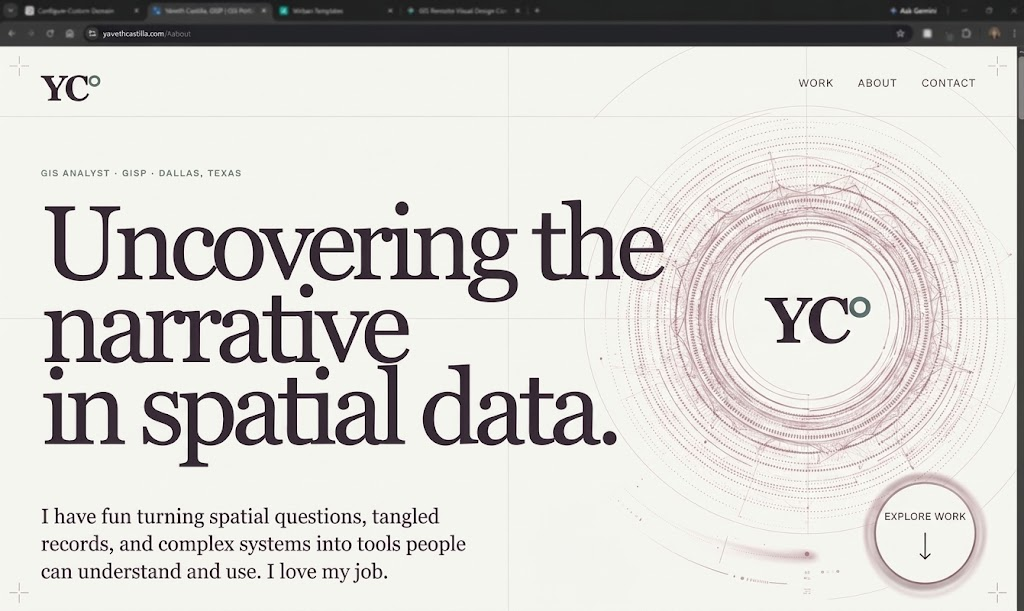
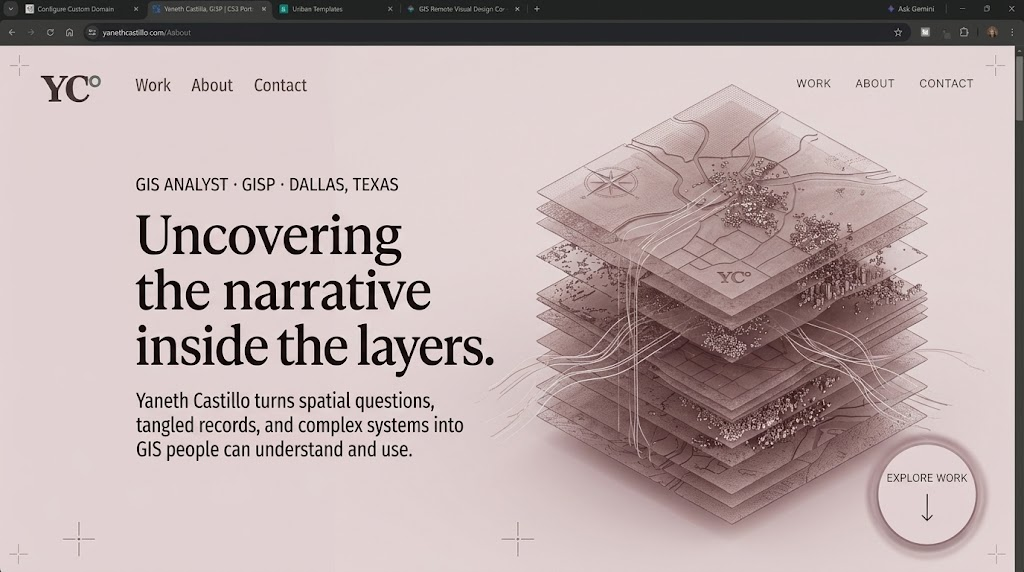
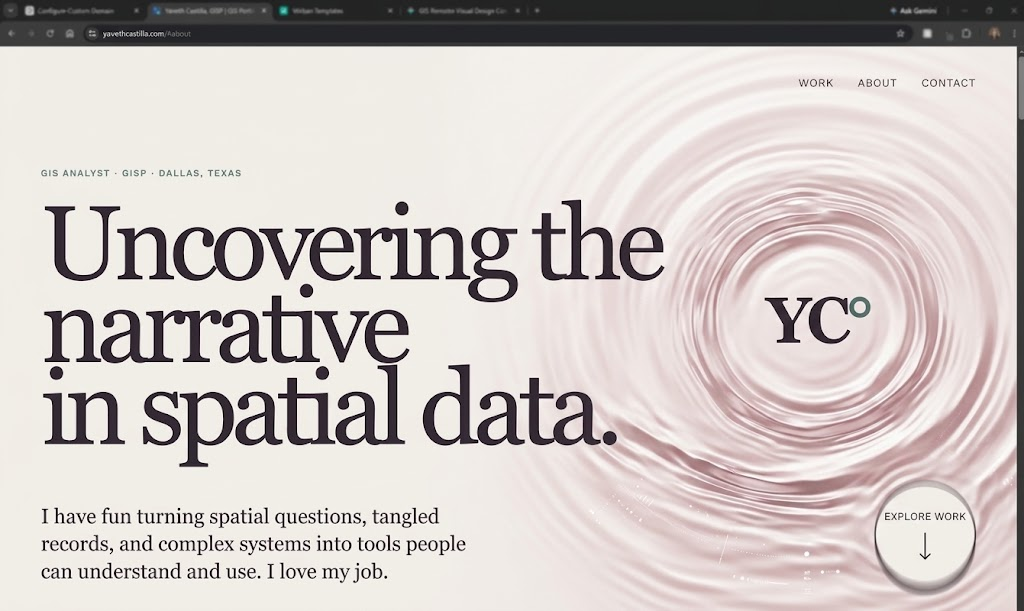
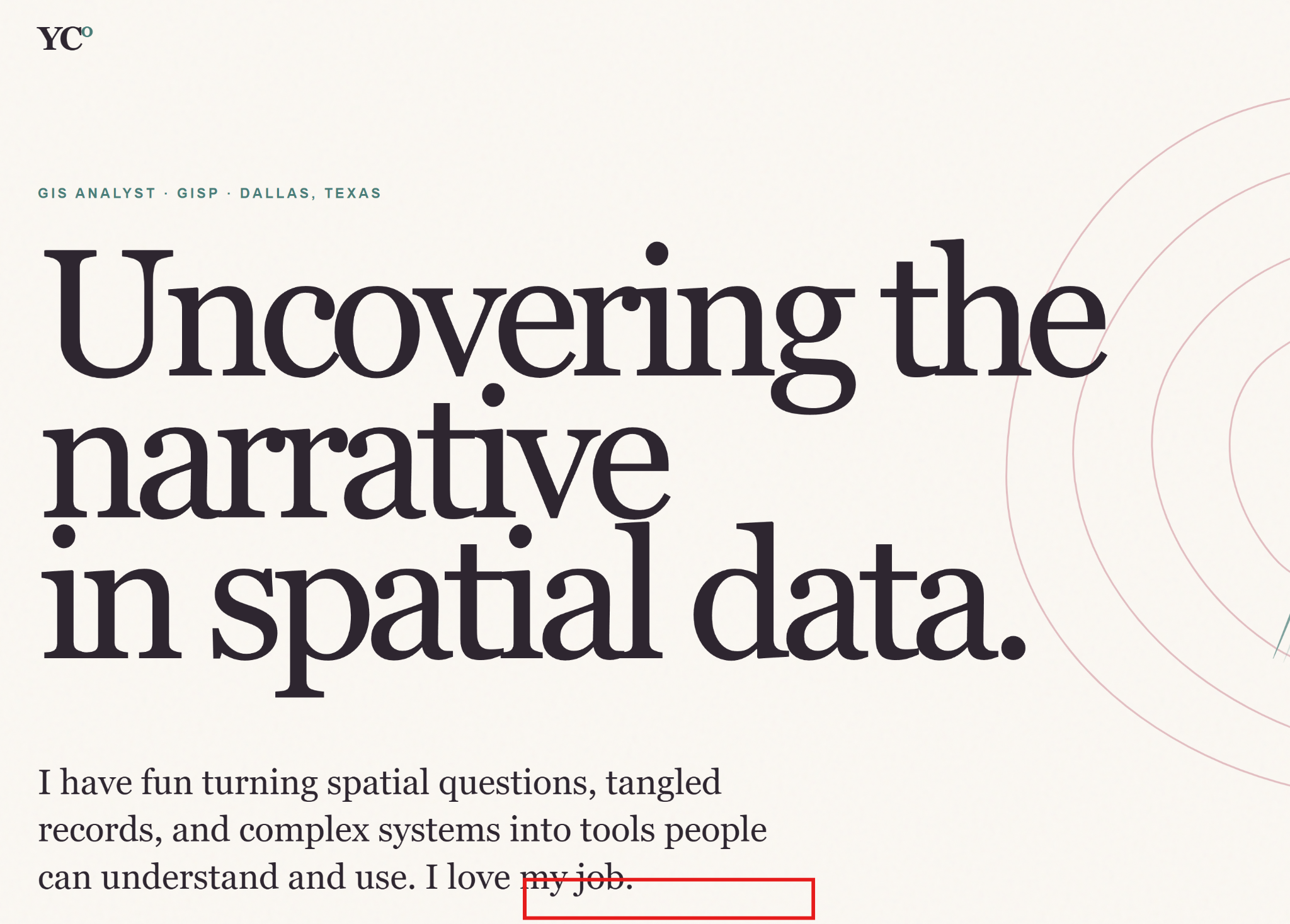
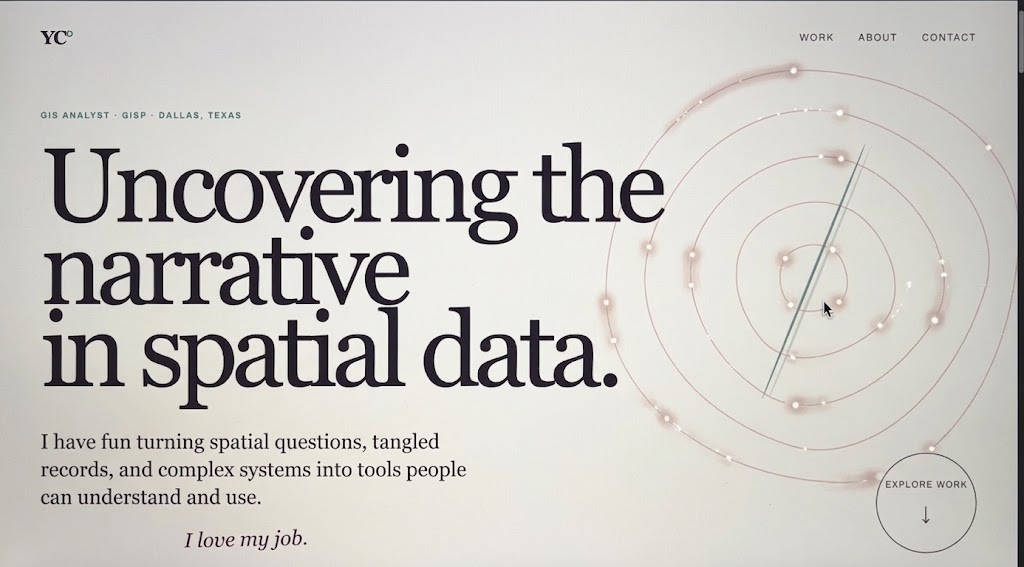
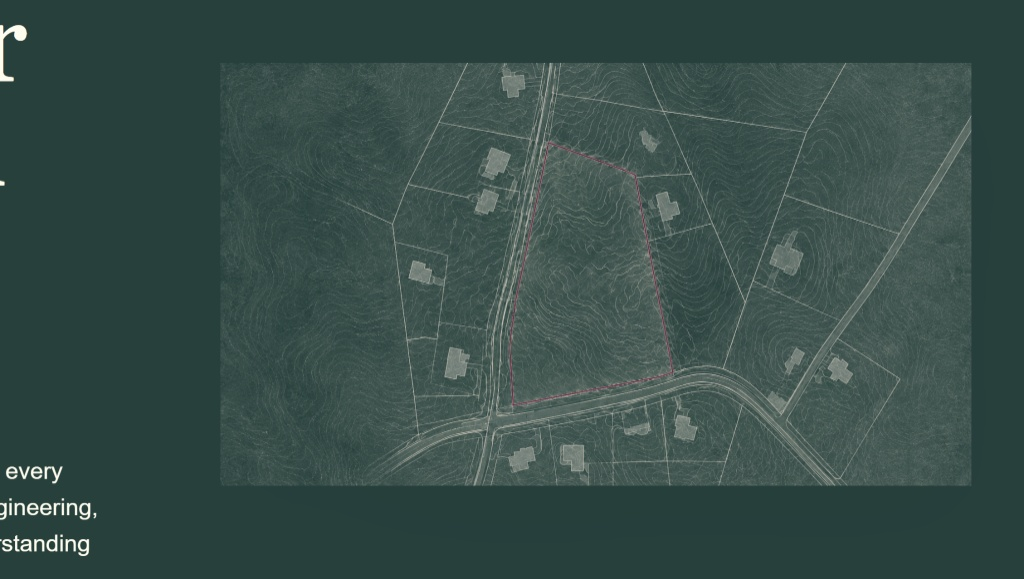
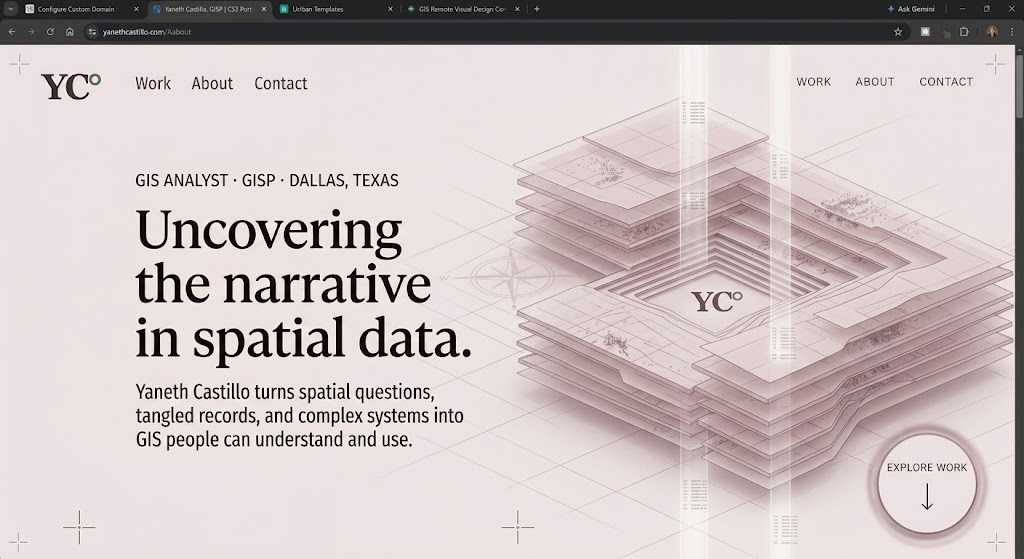

Hero iteration archive
MY APPROACH TO AI
I use an AI coding collaborator to prototype complex interactions faster. I understand how the components connect, can read and modify the React and TypeScript, diagnose ordinary errors, and maintain and extend the site. The output remains my responsibility.
AI can produce an answer without producing understanding. The evidence is whether you can explain, evaluate, correct, and apply the work.
TECHNICAL STACK
THE OUTCOME